
Overview
A fractured finger is a common injury that usually takes a few weeks, or sometimes months, to heal. A broken finger may be: painful, swollen, and bruised, stiff or difficult to move. It can sometimes be difficult to tell if a finger is broken, dislocated or sprained, as the symptoms tend to be similar.
If you’re not sure whether your child has broken their finger, it is recommended to get medical advice.
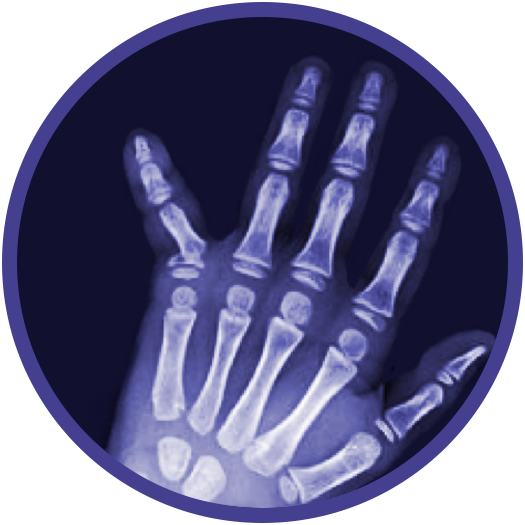
What to Do
You should attend your local minor injuries unit or accident and emergency department for an x-ray and assessment if you think your child has a broken finger.
While you’re waiting for medical help:
- avoid moving the affected finger as much as possible– you could try gently securing it to the finger next to it.
- hold the affected hand above the level of your heart– this will help reduce any swelling
- gently hold ice wrapped in a cloth against the finger– this will also help reduce swelling and pain
Care Advice During Recovery
A broken finger usually takes between 3-6 weeks to heal, depending on which part of the finger is broken and how severe the break is. It may be a few months before full strength and movement returns to the affected finger.
- try to avoid using the affected fingers and disturbing the splint
- raise the affected hand above the level of the heart to help reduce swelling – try resting it on a cushion while sitting and sleeping
- hold an ice pack, or something like a bag of frozen peas wrapped in a cloth, against the finger for about 10 minutes, 3 or 4 times a day – this can also help reduce any swelling
The majority of children’s finger injuries can be managed with simple strapping. This strapping is usually advised to be removed in advance of the fracture being fully healed (week 2-3) to avoid significant stiffness of the finger joints.
Children are able to restore a normal range of movement in their injured fingers usually very quickly, however should they require additional assistance physiotherapy or occupational therapy can be arranged.
Your doctor will be able to advise you about when you can return to contact sports or other activities.